Introduction
In today's fast-paced retail and service industries, point-of-sale (retail) systems have become the backbone of modern business operations. Whether you're running a restaurant, pharmacy, grocery store, or retail outlet, an efficient billing system helps streamline sales, manage inventory, and deliver exceptional customer experiences.
From small businesses seeking free sales systems to large enterprises adopting cloud-based checkout systems, the evolution of store technology has revolutionized how transactions are processed. This article explores the meaning of a business system, its types, features, uses, and pricing, and highlights the best retail systems in Sri Lanka—helping you understand why this technology is essential for any growing business.
POS System Meaning: What Does POS Stand For?
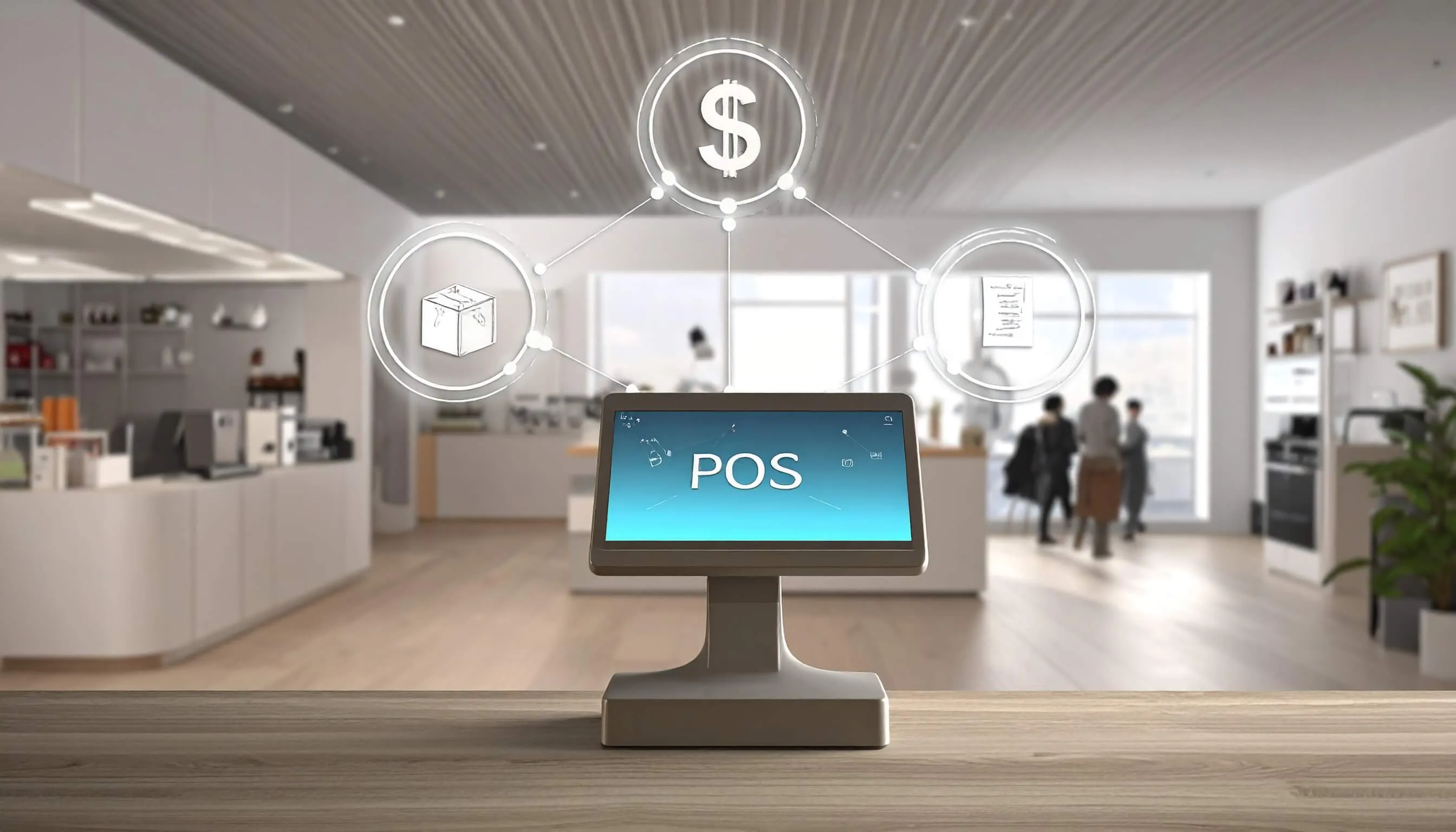
The term billing system stands for Point of Sale system, referring to both the hardware and software that allow businesses to complete sales transactions. In simple terms, a sales system is the point of sale where a customer makes a payment for goods or services.
Traditionally, point of sale solutions were physical cash registers. However, with digital transformation, modern cloud-based checkout systems and mobile store systems now enable businesses to manage their operations online, offering features such as real-time data analytics, digital receipts, and remote inventory control.
So, when someone asks, "What is the meaning of a business system?" — it's more than just a checkout tool. It's a complete business management solution.
How Does a POS System Work?
A point of sale solution functions as the central point where all sales data is processed and stored. The process typically follows these steps:
- Product Scan or Selection: The cashier scans the product using a barcode scanner or selects it from the retail dashboard.
- Billing and Payment: The system calculates the total cost, including any applicable discounts or taxes, and processes payments via cash, card, or digital wallet.
- Receipt Generation: A digital or printed receipt is generated using the billing system.
- Database Update: The sales system database automatically updates inventory levels and sales records in real time.
- Analytics and Reports: Business owners can view data on the checkout system dashboard to analyze sales performance.
This process ensures accuracy, transparency, and convenience for both customers and business owners.
Main Components of a POS System
A complete retail platform includes two main parts: hardware and software.
Hardware Components
- store Machine or Terminal: The main device used to operate the system (touchscreen or desktop).
- Barcode Scanner: Scans product barcodes quickly for billing.
- Receipt Printer: Prints receipts for customers.
- Customer Display: Shows the ongoing billing process to customers.
- Payment Terminal: Handles credit, debit, or mobile payments.
- Cash Drawer: Securely stores cash.
Software Components
- business System Dashboard: Displays sales reports, analytics, and real-time performance data.
- retail System Database: Stores product information, transactions, customer details, and inventory data.
- Inventory Management Module: Tracks stock movement and alerts for restocking.
- Billing and Payment Module: Processes payments efficiently and securely.
- User Management: Manages access rights for cashiers, managers, and admins.
Types of POS Systems
Businesses can choose from various billing system types based on their needs and budget:
- Traditional sales Systems: Installed locally on a single computer; suitable for small shops with low transaction volume.
- Cloud Based checkout System Systems: Data is stored online, allowing access from anywhere — ideal for businesses with multiple branches.
- Mobile store Systems: Operated via tablets or smartphones; perfect for food trucks, cafes, and events.
- Online business Systems: Web-based software accessible through browsers, ideal for e-commerce and hybrid businesses.
- Offline retail Systems: Works without an internet connection and syncs data once connected.
- Open Source billing Systems: Customizable and free to modify, often used by developers building their own systems.
POS System in Sri Lanka
Across Sri Lanka, the retail and service sectors are quickly embracing retail platforms to enhance efficiency and streamline daily operations. From busy supermarkets in Colombo to cozy cafes in Kandy, businesses are recognizing the value of automation and real-time data in driving smarter decisions and better customer experiences.
Leading POS System Providers in Sri Lanka
- POSSystem.lk by Applantics: Leading provider of cloud-based and Android sales systems designed for retail, restaurants, and pharmacies across Sri Lanka.
- POSSystem.lk: Offers reliable hardware and software solutions with local customer support and lifetime warranty.
These providers are helping Sri Lankan businesses move toward digital transformation.
POS System Price in Sri Lanka
Prices for sales solutions in Sri Lanka vary based on features and components.
| Type | Description | Approximate Price (LKR) |
|---|---|---|
| Free checkout System / store System Freeware | Basic tools for startups | Free - 5,000 |
| Cloud Based business System | Subscription model with online access | 3,000 – 10,000/month |
| Retail retail System (Full Setup) | Includes machine, printer, and scanner | 60,000 – 200,000 |
| Restaurant billing System Sri Lanka | Advanced order and table management | 100,000+ |
| Pharmacy sales System Sri Lanka | Prescription and expiry tracking | 70,000 – 150,000 |
For small businesses, free checkout systems or open-source store system downloads are an excellent way to start.
Industries Using POS Systems
business systems are versatile and cater to various industries. Some common applications include:
- Retail retail Systems: Manage product sales, returns, and stock levels.
- Restaurant billing Systems: Handle table orders, billing, and kitchen display integration.
- Pharmacy sales Systems: Track medical inventory and prescriptions.
- Bakery checkout Systems: Simplify order tracking and recipe costing.
- Hotel and Bar store Systems: Manage room charges, bar tabs, and reservations.
- Grocery Store business Systems: Ideal for high-traffic, quick-billing environments.
In Sri Lanka, restaurant retail systems and retail billing systems are the most widely adopted, as they help streamline day-to-day operations.
Benefits of Using a POS System
Implementing a modern sales system offers multiple business advantages:
- Faster Transactions: Speeds up checkout processes and reduces waiting times.
- Accurate Inventory Management: Real-time stock updates reduce overstocking or shortages.
- Improved Customer Experience: Quick billing and loyalty programs enhance satisfaction.
- Data Analytics: The checkout system dashboard offers insights into sales trends and employee performance.
- Cloud Accessibility: Cloud-based store systems allow business owners to manage sales remotely.
- Reduced Errors: Automating billing and data entry minimizes human mistakes.
- Easy Integration: Connects with QuickBooks business System, WooCommerce retail System, and accounting software.
With these benefits, businesses in Sri Lanka are now viewing billing systems as a long-term investment, not an expense.
Free and Open Source POS Systems
Startups and small retailers often explore free sales systems or checkout system freeware before moving to premium versions. Popular open-source options include:
- PHP store System Free Download
- Laravel business System GitHub Projects
- C# retail System Source Code
- Java billing System Examples
- Open Source sales System for Restaurant
These tools are also ideal for students learning how to build a checkout system or experimenting with store system database design.
Cloud Based POS System Systems: The Future of Retail
The demand for cloud based business system systems in Sri Lanka is on the rise. They are affordable, easy to deploy, and accessible from anywhere.
Advantages of Cloud Based retail System Systems:
- Access data from any device (Android POS system, iPhone, or PC).
- Automatic data backups prevent loss during outages.
- Real-time synchronization across multiple stores.
- Seamless updates with minimal downtime.
With Sri Lankan SMEs shifting to online POS systems, cloud-based solutions are becoming the new standard for business management.
POS System Advertising and Customer Engagement
Modern POS systems go beyond sales tracking — they can also boost marketing efforts. Features like POS system advertising and customer displays allow promotions and loyalty messages to appear during checkout.
The POS system dashboard helps analyze customer purchasing patterns, allowing businesses to run targeted offers and discounts.
This integration of sales, analytics, and marketing turns a simple POS into a powerful engagement tool.
POS System Development and Design Insights
Gaining a solid understanding of how a POS system is developed can help businesses select the right software solution or even build a custom one to suit their needs. A well-structured POS system database plays a vital role, efficiently managing information such as products, transactions, users, and inventory.
Developers often use programming languages like Java, PHP, Node.js, and C# to create systems featuring clean, intuitive UIs and responsive dashboards. For those looking to deepen their technical knowledge, platforms like CodeCanyon and GitHub provide valuable POS system source code examples that can be explored, studied, and customized.
The Best POS Systems in 2023 and Beyond
According to Sentigum's "3 Best POS Systems for All in 2023", the top global options include:
- QuickBooks Retail POS System – Integrated with accounting and inventory.
- Square POS System – Perfect for small businesses.
- Shopify POS System – Ideal for online and offline retail stores.
In Sri Lanka, the best POS systems are those that combine local support, cloud capabilities, and affordable pricing, such as POSSystem.lk by Applantics.
Conclusion
In conclusion, a POS system is far more than a simple sales terminal; it serves as a complete digital ecosystem that drives today's retail, restaurant, and service industries. From managing inventory to analyzing customer trends, POS systems empower businesses to make informed decisions and enhance customer experiences.
In Sri Lanka, where digital transformation is accelerating, adopting a cloud-based or Android POS system can greatly boost efficiency and profitability. Whether you're a small retailer seeking a free POS solution or a growing enterprise searching for the best POS system in Sri Lanka, the right technology choice can lay the groundwork for lasting success.
As innovation continues to shape the business landscape, the POS system remains the core of modern commerce, seamlessly connecting business, customers, and data in powerful new ways.